We're here for you and your family—every step of the way.
We're here for you and your family—every step of the way.
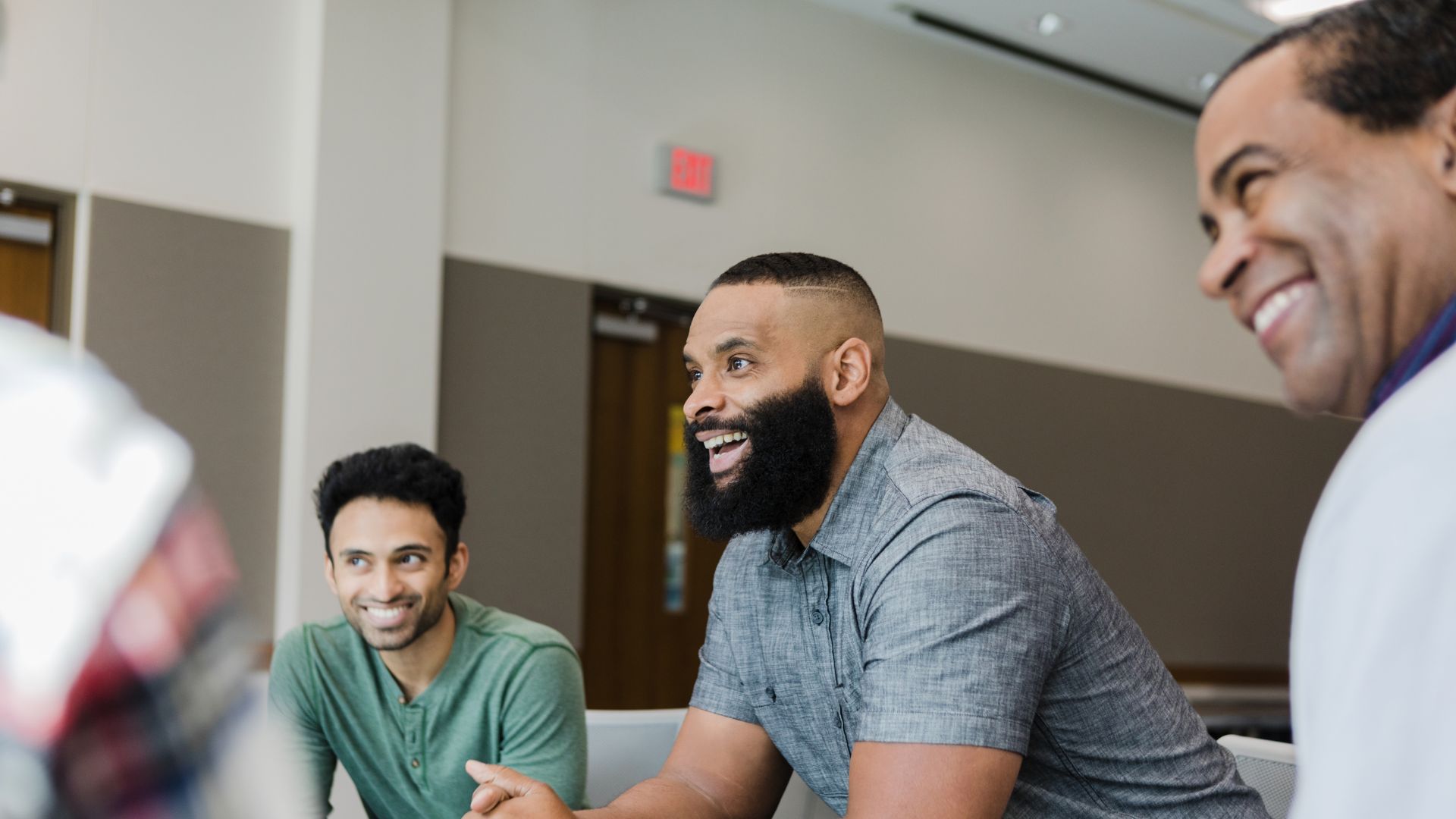
Walk into a group therapy room for the first time, and the people around you matter more than the paint on the walls. For many men starting treatment, the question is not only what the program offers but who will be in the room. A group of men who share the same experience can make it easier to say what is hard to say, and that is the idea behind gender-specific care.
Gender-specific programs separate clients by gender and design groups, activities, and sometimes clinical content around that group’s needs. Some serve women, with attention to pregnancy, caregiving, and trauma, and others serve men. The idea is not that men and women are fundamentally different in their recovery, but that shared identity can lower barriers to honesty, particularly early in treatment.
Programs that focus on rehab for men are one version of this approach, and in Utah, Mountain Valley Recovery in Holden describes itself as a men-only residential program. A men’s program is not automatically better than a coed one. The value lies in whether the setting helps a particular person engage, stay, and do the work. Programs vary in how far they take the idea. Some hold separate groups within a larger center, while fully men-only residences build the whole community around one group, with shared housing, meals, and daily routines.
A National Institute on Drug Abuse release on overdose deaths reported that men died of overdose at 2 to 3 times the rate of women in 2020 and 2021, based on a study of national death records. The researchers found that men had higher death rates from synthetic opioids, heroin, psychostimulants, and cocaine, and that men’s higher rate of drug use alone did not explain the gap.
The authors suggested biological, behavioral, and social factors combine to raise the risk for men, for example, greater vulnerability to drug toxicity, riskier patterns of use, and gender-related social factors. NIDA’s director said understanding those differences is needed to develop tailored tools to protect people from fatal overdose. The agency’s note on stigma is also relevant, since it says stigma can make people less likely to seek treatment.
The findings do not prove that single-gender programs produce better outcomes. They do show why programs pay attention to how men experience addiction and treatment, and why tailoring is an active area of research.
Many men grow up learning to hide fear, grief, and shame. In a mixed group, some men hold back about trauma, relationships or sexual issues, either out of embarrassment or a wish to appear strong in front of women. A men’s group can make it easier to talk about topics such as fatherhood, anger, job loss, violence and sexuality, because the room feels safer.
Peer example matters too. Seeing other men admit weakness and still be respected shows that vulnerability does not end a man’s standing. Groups can also address cultural expectations about drinking, risk-taking and toughness, and help men build friendships based on something other than substances.
Some people benefit from being away from romantic distraction, which can complicate early recovery in coed settings. Programs also report that men sometimes disclose past abuse or trauma more readily when the group is single-gender, although this varies by person. Men’s groups can also address how anger, silence, and isolation show up in recovery.
Gender alone is not a quality marker. Ask the same questions you would ask any program, starting with licensing and accreditation, staff qualifications, and how the program handles assessment, medication, co-occurring mental health conditions, and relapse. Ask how groups are led, how large they are, and what topics they cover, and whether trauma-informed care is part of daily practice and not merely a line on the website.
Look at structure too. Many men respond to purposeful routines, physical activity, work and skill-building, and programs that use ranch work, fitness, or outdoor activity are betting on that preference. Check that those activities supplement clinical care and do not replace it, and ask how the program involves families and plans for life after discharge. Ask about the staff mix as well, since clinicians of different genders can broaden the conversation when the program handles it well, and a good program can explain why its staffing suits its clients.
Single-gender care is not right for everyone. Some people feel more comfortable in mixed groups, some do not identify within a binary, and some find that same-gender groups reinforce stereotypes unless skilled clinicians challenge them. Gay, bisexual and transgender men may want to ask directly how a program supports them.
The best test is fit. An assessment with a clinician can identify needs, and a conversation with admissions staff can show whether the culture matches. If a men’s program is not available or not suitable, a coed program with strong clinical standards can work well. Cost and logistics matter as well, since a men-only program may be far from home, may require a long commitment, and may cost more than outpatient care, so compare what you get for what you pay. For help finding options, call the SAMHSA National Helpline at 1-800-662-4357, and in a crisis, call 911 or call or text 988.